
When you buy a hot tub, you are probably hoping to enjoy it for much longer than just a few seasons. That raises an important question: How long should a hot tub actually last? You may hear numbers such as 10, 15, or even 20 years when people talk about hot tub lifespan, but there is no single expiration date that applies to every spa.
A hot tub is made up of many different materials and mechanical systems, including the shell, cabinet, plumbing, pumps, heater, controls, insulation, cover, and other components that do not all age at the same rate. How long a spa continues to perform well can depend on how it was built, where it was installed, how well the water was maintained, how often it was used, the climate it is exposed to, and whether small problems were repaired before they became larger ones.
If longevity matters to you, pay attention to the areas below.
Longevity Starts Before You Bring the Hot Tub Homees
Maintenance matters, but you cannot maintain a hot tub that was poorly constructed to begin with. That is why construction deserves attention before purchase.
- The frame and base support the spa.
- The shell holds hundreds of gallons of water.
- The plumbing moves that water every time the spa operates.
- The insulation helps protect heat and, depending on the construction method, may also provide structural or plumbing support.
- Pumps, heaters, controls, and electrical components all work together behind the cabinet.
That is why looking at construction before purchasing can be just as important as comparing features. Artesian Spas, one of the brands carried by Love’s Hot Tubs, describes its construction as using pressure-treated framing on a full ABS base with full-foam insulation between the structure and cabinet.
According to Artesian, that insulation not only helps retain heat but also strengthens the structure, reduces noise, increases durability, and helps protect plumbing from unnecessary vibration. Those are the kinds of construction details worth investigating when you are purchasing a hot tub you hope to enjoy for many years.
Water Chemistry Can Affect More Than the Water
Water chemistry is often discussed in terms of keeping hot tub water clear and safe, but it also matters to the equipment. Hot tub water constantly comes into contact with the shell, plumbing, jets, heater, seals, and other components, so water that repeatedly falls outside the manufacturer’s recommended chemistry ranges can be hard on the spa over time.
The Pool & Hot Tub Alliance recommends routinely testing hot tub pH, alkalinity, and sanitizer levels as part of regular maintenance. Keeping those levels where they belong is not only about maintaining clean-looking water; it is also an important part of caring for the hot tub and its components.
More Chemicals Are Not Better
When water chemistry falls out of balance, it can be tempting to assume that adding more sanitizer or other treatment products will solve the problem faster. Hot tub water care, however, is about maintaining the correct balance, not simply adding as much product as possible. The Pool & Hot Tub Alliance recommends testing and adjusting water chemistry rather than guessing.
Follow the manufacturer’s directions for the products and sanitizing system used in your particular spa, because overcorrecting water chemistry can create problems of its own. Accurate testing and measured adjustments are a much better long-term approach for maintaining both the water and the hot tub itself.
Keep the Filter Working Properly
The filter removes particles from the water as it circulates through the spa, so as debris builds up, the filter will eventually need attention. The Pool & Hot Tub Alliance recommends regularly maintaining the filter cartridge as part of routine hot tub care. A neglected filter can restrict water flow and cause the circulation system to operate under less-than-ideal conditions, which may place unnecessary stress on the system over time.
Follow the filter manufacturer’s cleaning and replacement schedule rather than waiting until the filter looks completely clogged. Filters are consumable maintenance items, and replacing one when necessary is a much smaller issue than ignoring a problem that can affect the rest of the spa’s water system.
Drain and Refill the Water
Even clear hot tub water does not remain fresh indefinitely. Over time, materials introduced by bathers and water-care products can accumulate in the water. The Pool & Hot Tub Alliance recommends periodically draining and refilling hot tub water, with its current consumer maintenance guidance using a general interval of approximately every three to four months, although the actual timing can vary based on use and the manufacturer’s recommendations.
Draining the spa also gives you an opportunity to clean areas that are harder to address while the hot tub is full. Follow the recommendations for your specific hot tub and water-care system so draining, refilling, and cleaning become part of a regular maintenance routine rather than something that is delayed too long.
Take Care of the Cover
The cover is the first line of defense when the hot tub is not being used. It helps keep debris out and reduces heat loss, but covers also age. They are exposed to sunlight, precipitation, temperature changes, and repeated opening and closing. Inspect the cover periodically for:
- Cracking
- Torn material
- Damaged seams
- Broken hardware
- Sagging
- Water absorption
- Poor fit
A damaged or waterlogged cover can become heavy and difficult to handle, and it may no longer protect or insulate the spa as effectively as it did when new. Like filters and other wear items, the cover may eventually need to be replaced as part of normal long-term hot tub ownership.
A hot tub lasting many years does not necessarily mean every original component will last for exactly the same number of years. Replacing worn parts when necessary is a normal part of maintaining the spa and can help keep the overall system performing properly over time.
Pay Attention to Small Leaks
A small amount of water somewhere it should not be may seem minor, but it is worth investigating. Leaks can come from plumbing connections, pump seals, fittings, or other components, and catching a leak early may help prevent continued water exposure from affecting other areas underneath the spa.
Do not assume unexplained water around the equipment compartment is simply normal. If you notice moisture, dripping, or another change that was not there before, find out why. Addressing small issues early can help prevent them from becoming larger repair problems over time.
Protect the Spa From Unnecessary Outside Water
The hot tub is designed to hold water inside the shell, but that does not mean the frame and cabinet should constantly be exposed to uncontrolled water from the surrounding property. Artesian’s owner guidance specifically warns about frequent external water exposure from sources such as sprinklers, drains, and gutters because of the potential for damage to the cabinet and frame.
When choosing your installation site, think about drainage and runoff as part of the setup. Keep irrigation directed away from the spa, and make sure rainwater, snowmelt, and roof runoff have somewhere to go besides underneath or against the hot tub.
A Proper Foundation Matters
A hot tub can weigh thousands of pounds once it is filled with water and people, so the surface beneath it needs to provide proper structural support. If that surface shifts, settles unevenly, or was never designed to handle the load, the spa itself can be affected. Artesian’s installation guidance warns that inadequate structural support may result in damage and recommends appropriate professional evaluation for spas installed on decks or other elevated surfaces.
Hot tub longevity begins with installing the spa correctly. Paying attention to the foundation, drainage, and structural support from the beginning can help protect the hot tub over time, so do not overlook what is holding the spa up while focusing on everything above it.
Give the Equipment Room to Breathe—and Be Serviced
Where you place the hot tub can affect future repairs and how long the spa remains usable. If you surround the spa with permanent decking, walls, or landscaping, make sure technicians can still reach the equipment compartment and any cabinet panels that may need to be removed for service. A pump, heater, sensor, or control component may eventually need attention even if the rest of the hot tub is still in excellent condition.
Being able to access and replace serviceable components is part of what can help keep the larger spa operating for many years. If access is blocked, an otherwise manageable repair can become unnecessarily difficult, so service access is worth planning for before the hot tub is installed.
Do Not Ignore Changes in Performance
Hot tubs often give you clues that something is changing. Pay attention if:
- Jets suddenly feel weaker
- The pump begins making an unusual sound
- Water takes much longer to heat
- The spa struggles to maintain temperature
- A breaker repeatedly trips
- An error code appears
- Water level drops unexpectedly
- The equipment area is wet
- Filtration seems less effective
These symptoms do not necessarily mean something catastrophic is wrong, but they can signal problems that may affect how long the hot tub remains reliable and serviceable. Ignoring them rarely makes the underlying problem better. Early diagnosis can sometimes turn a developing issue into a straightforward repair.
Expect Some Components to Need Replacement
This is important when talking about a hot tub lasting 10, 15, or 20 years. A long-lasting hot tub does not necessarily remain completely untouched for decades.
- Pumps have seals and moving components.
- Heaters operate in a demanding environment.
- Sensors and control equipment can eventually fail.
- Covers wear.
- Jets and other replaceable components can age.
The ability to service and replace these parts can be one of the factors that determines whether an older spa remains worth keeping.
Think of longevity in terms of the complete structure remaining serviceable, not every piece remaining original forever.
Climate Makes a Difference
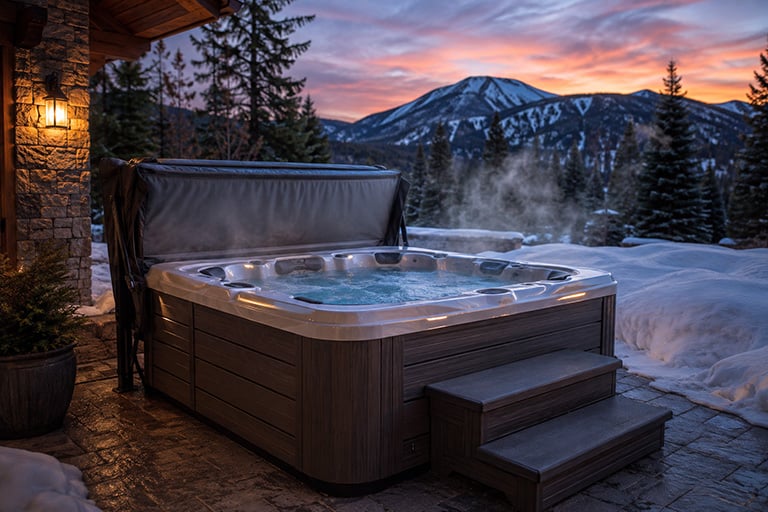
Idaho gives outdoor hot tubs a wide range of conditions to handle, including hot summer temperatures, freezing winters, snow, UV exposure, and significant temperature swings. Insulation and a properly fitted cover become especially important during colder weather because they help reduce heat loss and support the spa through the demands of Idaho’s winter climate.
Love’s recommends looking at the spa’s complete insulation strategy, including the cabinet, shell, plumbing, and cover, when shopping for a hot tub intended for Idaho’s climate. Location matters too, since a thoughtful installation can help protect the spa from unnecessary sun exposure, irrigation, runoff, and other environmental stress over time.
How You Use the Hot Tub Matters
A spa used by two people a few evenings each week experiences different conditions from one used heavily by a large family every day. More bathers introduce more material into the water and can increase the demands placed on filtration and water care. That does not mean frequent use will automatically shorten the life of a well-built hot tub, but it does mean the maintenance routine should match how the spa is actually being used.
The right maintenance schedule will not necessarily be identical for every household. Pay attention to the condition of the water, follow the manufacturer’s recommendations, and adjust routine care as usage changes over time.
So, Can a Hot Tub Really Last 10, 15, or 20 Years?
It is possible for a well-built hot tub to remain useful for many years, particularly when it is properly maintained and repaired as needed. However, there is no responsible way to promise that every spa will reach a specific age, because lifespan can vary based on construction, use, maintenance, climate, installation, and how quickly problems are addressed. A better question is:
What gives a hot tub the best chance of remaining worth owning for a long time?
Look for:
- Solid construction
- A supportive base and frame
- Quality plumbing and components
- Appropriate insulation
- Proper installation
- Balanced water chemistry
- Consistent filtration
- Periodic draining and cleaning
- Cover care
- Early attention to leaks and equipment problems
- Accessible, serviceable components
- Replacement parts and support when repairs become necessary
Longevity is usually the result of all of these things working together.
Buy With the Next Decade in Mind
When buying a hot tub, it is easy to think primarily about what you want today.
- How many seats?
- How many jets?
- Which color?
Those things matter. But if you hope to still be enjoying the spa years from now, look deeper.
- Ask how it is built.
- Ask what maintenance it needs.
- Ask whether its equipment can be serviced.
- Ask about replacement parts and support.
Once your hot tub is home, take care of the water, follow the recommended maintenance schedule, and address problems while they are still small. At Love’s Hot Tubs, you can compare spa construction, features, maintenance requirements, and different models from Artesian Spas and Nordic Hot Tubs before deciding which one is the best fit for your home.
A hot tub does not last 10, 15, or 20 years because of one impressive feature. Long-term performance comes from good construction, proper installation, consistent care, and the ability to maintain and repair the spa along the way.