

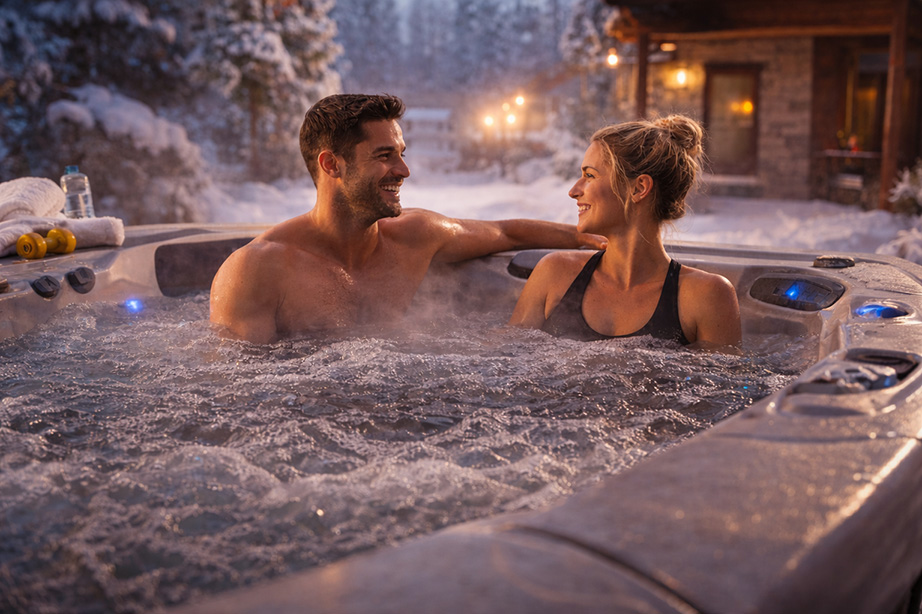
New Year workouts are exciting — new routines, new goals, new motivation. But if you’re back in the gym (or pushing harder than usual), soreness can hit fast… and it can mess with consistency.
Medical Disclaimer (please read)
Why you’re sore (and why it’s not a bad sign)
- return to training after time off
- increase intensity or volume
- do new movements (hello, lunges)
- emphasize the “lowering” phase of lifts (eccentric work)
What a hot tub actually helps with (no hype)
1) Relaxation + nervous system downshift
2) Warmth + circulation effects
- less stiffness
- more comfort
- easier movement after soaking
3) Buoyancy reduces joint pressure
4) Jets feel like targeted relief
- upper back and shoulders
- hips and glutes
- quads and hamstrings
Used gently, they can help you relax and move better afterward.
5) Better sleep support
Hot tub safety guardrails (keep it simple)
Temperature
Time
Hydration
If you have medical conditions
The Hot Tub Recovery Routine (10–15 minutes)
Step 1: Cool down first (5–10 minutes)
Don’t go straight from intense training to hot water.
- walk slowly 3–5 minutes
- let your breathing settle
- quick rinse/shower if you can (also helps keep your water cleaner)
Step 2: Set the temperature based on your workout (this is the only temperature guide you need)
-After sweaty cardio or HIIT: 98–100°F
You’re already warm. Cooler and shorter tends to feel better.
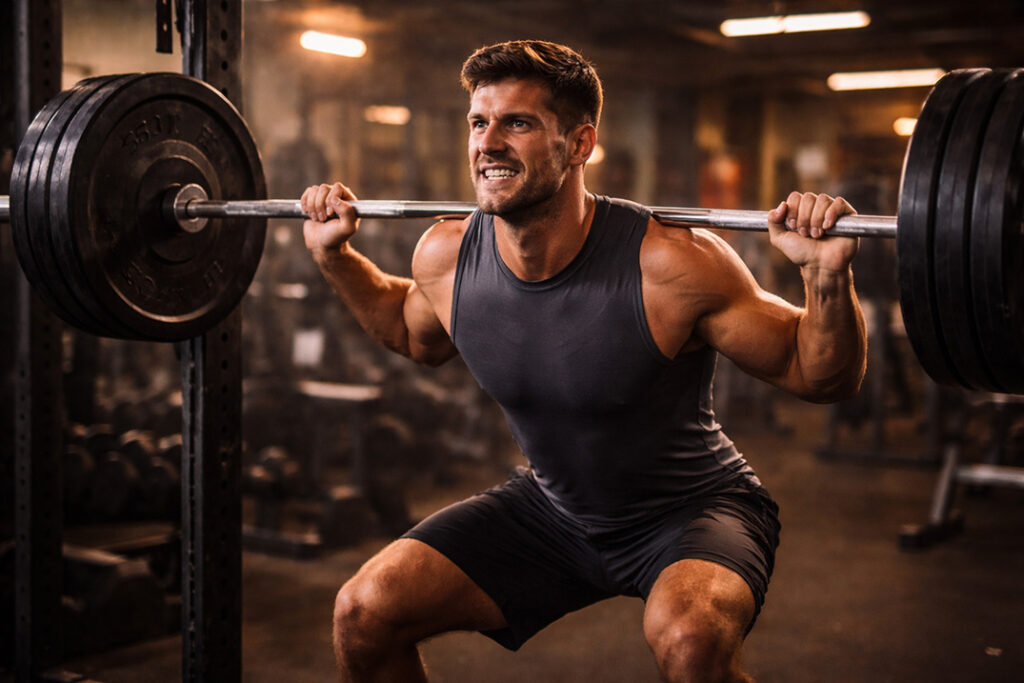
-After heavy lifting or leg day: 99–101°F
Great for stiffness without overheating.
This is the “feels amazing” zone for most people.
104°F max
Step 3: First 2–3 minutes = acclimate
- warm, calm, relaxed
- breathing slows down
- shoulders drop
- dizziness
- nausea
- pounding heartbeat
- feeling overheated
Step 4: Use jets like recovery — not punishment (5–8 minutes)
-Best jet targets:
-Upper back/traps (pressing days, desk tension):
Aim jets at the mid-back and shoulder blade area. Keep neck pressure gentle.
-Hips/glutes (leg day, tight hip flexors):
This is often the “unlock everything” spot. Sit slightly turned to target each side.
-Quads/hamstrings (squat/lunge soreness):
Rotate positions so one area doesn’t get blasted too long.
-Calves/feet (running, stairs, HIIT):
Great for that tight “lower leg burn” feeling.
Step 5: Add 2 minutes of gentle movement (in the water)
- ankle circles
- gentle knee bends (small range)
- shoulder rolls
- slow torso rotations
- deep breathing: inhale 4 seconds, exhale 6 seconds
Step 6: Get out in 10–15 minutes
- get out
- cool down 3–5 minutes
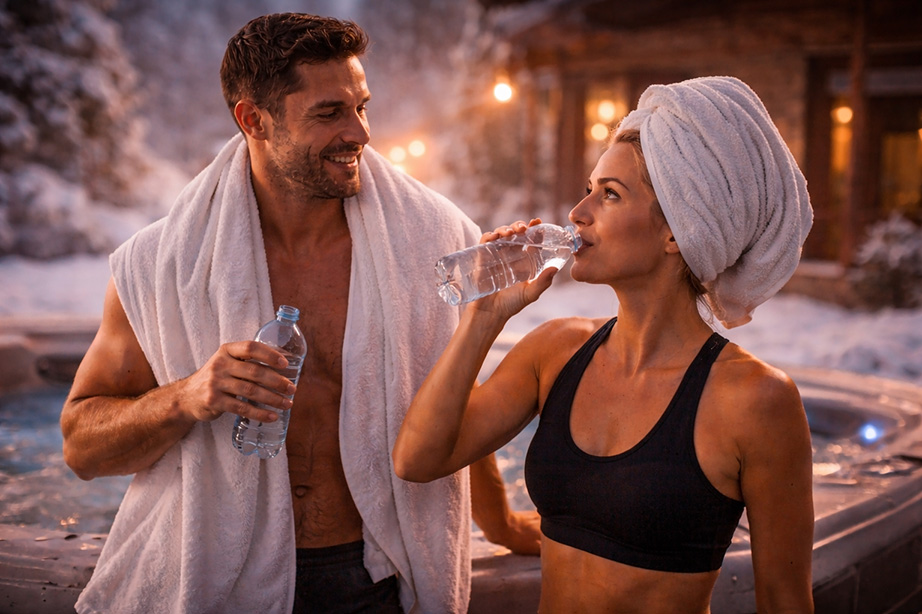
- drink water
- decide if you genuinely need more
Step 7: The after-soak finish (this is what makes it work)
- sit on the edge 30–60 seconds before fully standing
- drink water
- optional lukewarm rinse
- warm clothes, cozy environment
Recovery add-ons that make a big difference
Hydration checklist
- Water before you soak.
- Water after you soak.
- Electrolytes if you sweat a lot or do intense cardio.
- Avoid soaking dehydrated skin (risk of headache and dizziness).
Post-soak snack (simple)
- Protein + carbs is an excellent combo after training.
- Even a simple snack can help you feel better the next day.
Sleep timing tip
The 5 mistakes people make in January (and how to fix them)
Mistake 1: Too hot because it “feels intense.”
Fix: Stop at 10–15 minutes while you still feel great.
Mistake 3: Jumping in immediately after HIIT
Fix: Cool down 5–10 minutes first. Use 98–100°F.
Mistake 4: Forgetting hydration
Fix: Water before and after. Add electrolytes if needed.
Mistake 5: Blasting one sore spot with jets
When NOT to use a hot tub after a workout
- You feel overheated, dizzy, or sick.
- You have a fever.
- You’re dehydrated or have a headache.
- You have sharp pain, swelling, or suspect an injury.
- You’re using alcohol or anything that affects heat tolerance.
Simple weekly plan for New Year consistency
If you’re trying to stay consistent without burning out:
Option A: 2 soaks per week (easy + effective)
- After a hard workout: 8–12 minutes at 98–101°F
- On a rest day: 12–15 minutes at 100–102°F
Option B: 3 soaks per week (heavier training weeks)
- Two short post-workout soaks
- One relaxation soak for stress + sleep support.
The hard-day rule
Keep your water “recovery-ready” (clean water feels better)
- Rinse off before soaking (less sweat/oil in the water).
- Test and balance the water regularly.
- Keep filters clean
- Stay on top of sanitizer and pH.
Quick FAQ
1.) What’s the best hot tub temperature for soreness?
Most people feel best in 99–102°F for recovery. After intense cardio/HIIT, many prefer 98–100°F.
2.) How long should I soak after the gym?
10–15 minutes is a great range. If you’re new, start at 8–10 minutes.
3.) Should I soak immediately after my workout?
If it was intense or sweaty, cool down for 5–10 minutes first.
4.) Can I use jets on sore muscles?
5.) What if I feel dizzy?
A simple reminder (because it’s true)
If your hot tub session leaves you calmer, looser, and ready to train again — you nailed it.
Love’s Hot Tubs
References
- CDC —What You Can Do to Stay Healthy in Hot Tubs
- CDC — Operating and Managing Public Pools, Hot Tubs and Splash Pads (Toolkit)
- U.S. Consumer Product Safety Commission — CPSC Warns Of Hot Tub Temperatures
- American Red Cross — Swimming and Water Safety Manual (sample PDF; hot tub safety guidance)
- Cleveland Clinic — 5 Hot Tub Benefits
- Harvard Health —Hot baths and saunas: Beneficial for your heart?
- Warm-water bathing and sleep timing(PMC)
- Hot water immersion and recovery physiology (PMC)