
Acrylic vs. Rotomolded Hot Tubs: What’s the Difference?

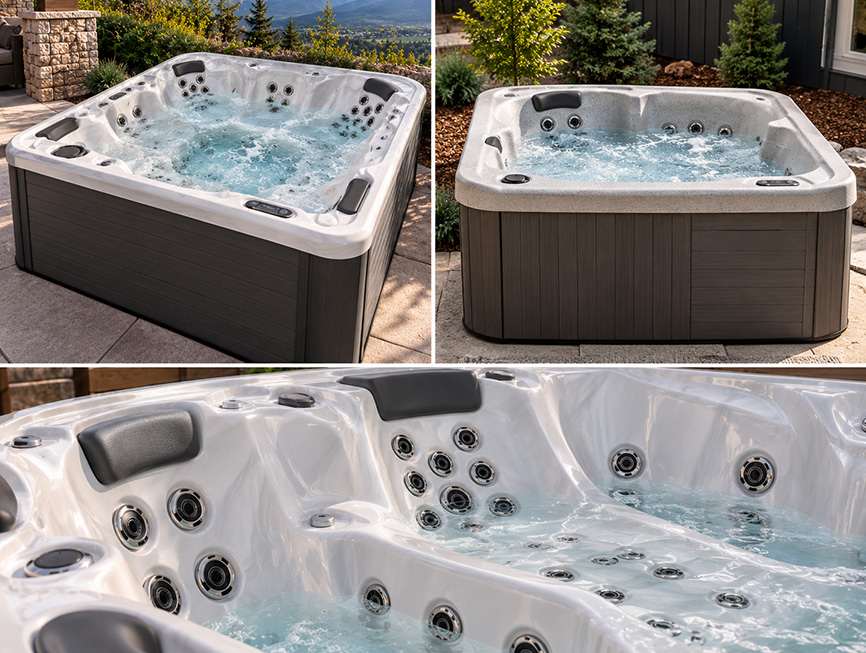
There are two major types of hot tub molds: acrylic and rotomolded. You may be wondering what the difference is and how it might affect your hot tub choice. An acrylic hot tub features a vacuum-formed acrylic sheet backed by fiberglass and a wooden or composite frame. This, in turn, creates a smooth shell that is well-insulated.
 
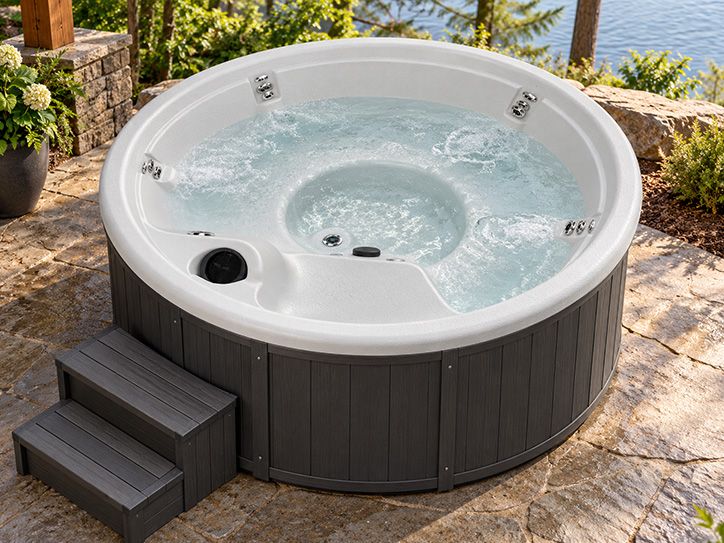
Its counterpart, the rotomolded hot tub, is constructed from a single, seamless, rotationally molded piece of polyethylene plastic. It comes with a more textured or orange peel finish and feel to it. Let’s see which one is right for you.

How Are Acrylic Hot Tubs Made?

An acrylic hot tub is built with a multi-step process designed for aesthetics and high performance. To begin, a large, flat piece of acrylic is heated to roughly 350°F and vacuum-formed over a specific mold. The vacuum draws the hot plastic into the contours, creating ergonomic features such as armrests, seats, and jet recesses.
 
The vacuum-formed acrylic piece is brittle and thin on its own, so manufacturers reinforce the backside of the shell by spraying layers of vinylester resin and chopped fiberglass. It’s then hand-rolled for full adherence and to prevent air bubbles. Some modern or higher-end manufacturers use a heavy-duty urethane backing instead.
 
As a high-quality structural acrylic shell, it can be self-supporting or framed into a composite, metal, or wood support frame. The pumps, filters, and other features are installed under and around the exterior cabinetry.

How Are Rotomolded Hot Tubs Made?

The term rotomolded comes from the idea that the hot tub is rotationally molded. The process to construct a rotomolded hot tub is much less extensive than its acrylic counterpart, although it creates a very durable piece.

Polyethylene plastic, often linear low-density polyethylene (LLDPE), is placed inside an enclosed hot tub mold. The mold is set in a high-temperature oven while slowly spinning on two axes. As the plastic melts, gravity and the rotation distribute it evenly along the interior walls of the mold.
 
The end result is a hot tub that is hollow-walled, very durable, and a single piece of plastic. Everything, including the shell, seating area, and even the exterior cabinet design, can be one singular piece. No additional shell layering or separate support frame is typically required on the rotomolded hot tub.
How Are Rotomolded Hot Tubs Made?

Acrylic vs. Rotomolded Hot Tubs: Appearance, Comfort, and Features

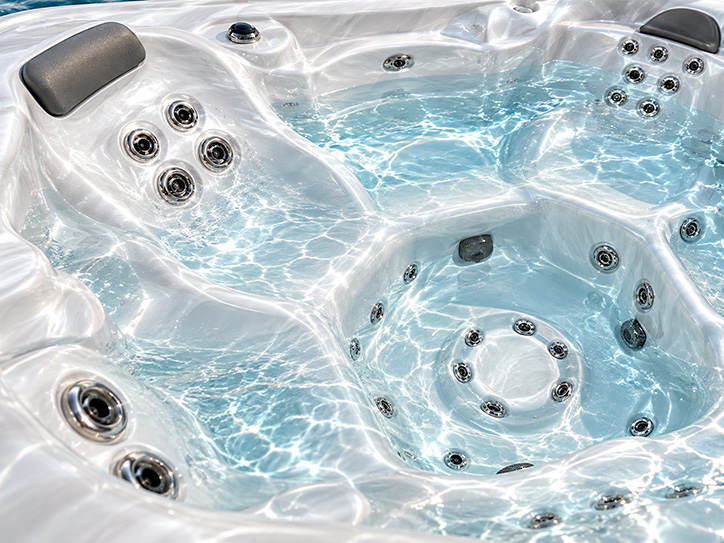
The acrylic hot tub comes with a smooth, high-gloss finish with a multitude of color schemes and depths. In contrast, a rotomolded hot tub features a matte, slightly textured plastic look. It also comes with straighter seating, such as benches and simpler seating arrangements.

The acrylic features highly contoured, ergonomic specialized lounges with dozens of adjustable and targeted jets. Rotomolded hot tubs generally offer simpler jet configurations, although some models feature adjustable jets, multi-speed pumps, and additional hydrotherapy options. The features really depend on the manufacturer and model. Weight and Durability: Which Hot Tub Is Easier to Move?

The acrylic hot tubs are considerably heavier than rotomolded spas and often require professional movers to relocate. The rotomolded hot tubs are lightweight; depending on the model, a handful of people may be able to move them with relative ease.


Even though the rotomolded hot tub is lightweight, it’s very durable, highly resistant to impact, and won’t experience the same type of fiberglass shell delamination. As nice as the acrylic may be, it can be subject to cracking or scratching on impact and also has the potential for shell delamination.
Acrylic-vs.-Rotomolded-Hot-Tubs-Appearance-Comfort-and-Features

Hot Tub Insulation and Energy Efficiency in Idaho Winters

Another factor to consider is insulation, especially here in Idaho, where winter temperatures can drop well below freezing. Not all hot tubs are insulated the same way, regardless of whether they’re acrylic or rotomolded. Some feature full-foam insulation, while others use different methods to retain heat.

The amount and type of insulation, along with the quality of the cover, can make a difference in how efficiently your hot tub maintains its temperature and how much electricity it uses. When comparing hot tubs, it’s worth looking beyond the shell material and considering how the entire spa is insulated.

Which Hot Tub Is Right for Your Needs?

Something else to think about is how often you plan on using your hot tub and what you’re looking to get out of it. If you’re wanting something primarily for relaxation, soaking after a long day, or spending time with family, a rotomolded hot tub may be all you need.
 
If you’re looking for more specialized hydrotherapy, additional jets, and a greater variety of seating arrangements, an acrylic hot tub may be the better option. Both can provide years of enjoyment, but it really comes down to your personal preferences, budget, and what features matter most to you.

Acrylic vs. Rotomolded Hot Tubs: Making Your Final Decision

You may now be leaning toward a decision on rotomolded or acrylic, possibly with a better understanding of which one is right for you. The acrylic hot tubs usually command a higher price point, but you’re also getting more pumps, more jets, and a more ergonomically friendly spa with specialized hydrotherapy jet nozzles. Depending on the model, its heating system and insulation may also offer better heat retention and performance during these Idaho winters.
 
On the other hand, rotomolded models are more budget-friendly, easier to move because they’re lighter, and as durable as hot tubs can get. You generally wouldn’t have to worry as much about damaging the shell while moving it or hiring professional hot tub movers, as you potentially would with acrylic.
 

Refrences

1. Artesian Spas – South Seas Spas: Information about acrylic shells, seating configurations, hydrotherapy jets, and available finishes.
2. Nordic Hot Tubs – Options & Accessories: Explains hot tub insulation, heat retention, and Nordic Wrap insulation for colder climates.
3. Nordic Hot Tubs – Sport All-In-110V Details: Shell texture, weight, jet configurations, and heating equipment.
4. Nordic Hot Tubs – Warranty Information: Covers Permashell durability, protection against cracking and delamination, and structural warranties.